
The other day, I recalled something Eddie Izzard, the comedian, said in his memoir. He was talking about how Paul McCartney wanted to play some songs on the piano, so he just sat down and taught himself. An impressive feat, but Izzard added an interesting insight. He said that part of the reason Paul was successful was that he was trying to learn songs that he really wanted to play. Izzard pointed out that schools and music teachers often kill children’s desire to learn music by forcing them to play songs that they hate and have no interest in playing in the first place. It occurred to me that we do the same thing with reading and literature. Day after day, year after year, teachers force their students to slog through books they think are elevating but which the kids hate, spoiling their desire to read for decades. It’s not a new observation. As Samuel Johnson said hundreds of years ago, “A man ought to read just as inclination leads him; for what he reads as a task will do him little good.”
Why schools do this is a mystery to me, but a few possible reasons have occurred to me:
- Curriculum inertia
Once a book gets on the “approved” list, it’s basically furniture. The unit plans, quizzes, and essay prompts are all built around it, so swapping it out means hours of unpaid work and paperwork for a teacher who is already clinging to sanity by their fingernails. - If you aren’t miserable, you must not be learning
There’s a deep‑rooted belief that if students are slightly miserable, something educational must be happening. Dense 19th‑century prose seems like “serious learning,” even if half the class is mentally tunneling out through the floor tiles. - Canon as camouflage
Nobody ever got in trouble for teaching Dickens or the Brontës. Canonical books act like professional camouflage: they reassure parents, administrators, and school boards that This Is Real Literature, so teachers stick with the safest possible choices. - Bureaucratic friction
Changing a text isn’t just “grab a different book.” It’s ordering class sets, getting approvals, defending the choice at meetings, and sometimes dealing with complaints. When the day is already 110% full, “just use Great Expectations again” wins by default. - Good intentions, bad matchmaking
Many teachers genuinely think these books have important things to say about history, ethics, and human nature. They’re not wrong. The problem is acting like only these specific, joy‑draining texts can do that job when there are a thousand other books that could teach the same skills without making teenagers hate reading.
All of this was on my mind when my son came home from middle school with an assignment for a book called The Ramsay Scallop. He announced, with the righteous fury only a teenager can muster, that it was terrible. Naturally, I assumed he was exaggerating. I read a chunk of it myself and, of course, he was right.
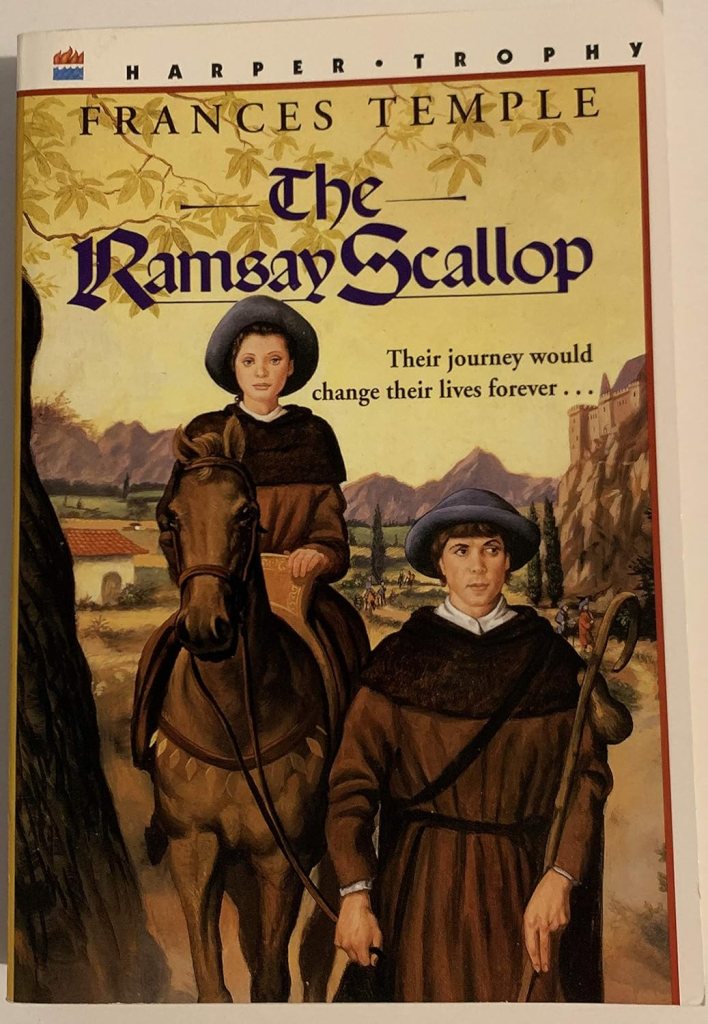
Then I did what any modern parent does: I went to the reviews. On one side, the teachers: long, glowing essays about historical detail, spiritual themes, and how it’s ‘perfect for class discussion.’ On the other side, the students have one‑star reviews that are basically apoplectic screams typed into a gradebook. It’s the perfect example of the gap I’m interested in here. Adults are in love with what the book is for; kids are stuck with what it’s actually like to read. I took a look at it and had to agree with my son; it was a tedious, sanctimonious slog. I checked the reviews on Amazon; same thing. Students thought reading it was like eating a meal of mud; teachers loved it.
What drives me a little mad about this is the sheer lack of imagination it shows about teenagers. My son’s teacher isn’t wrong that The Ramsay Scallop has themes worth talking about—sacrifice, faith, violence, gender, and all that good stuff. But there are a thousand other books with just as much to teach that kids would actually enjoy reading. Teachers and curriculum committees often pick these things as if young readers are lab rats in a moral experiment, not actual humans who might want to care about the story.
I’m not anti‑classic. Some of those old bricks are on my personal ‘no, really, this one is good’ list. But when the choice is between an Important Novel your students will resent and a different book that will teach the same skills without making them hate reading, picking the misery option starts to look less like rigor and more like indifference.
And I wasn’t always a curmudgeonly elder shrink; I had to read some real stinkeroos back in the 70s at Beachwood High School. So, without further ado, here are a few of my own curriculum darlings that I still think are just…bad.
Great Expectations – Charles Dickens
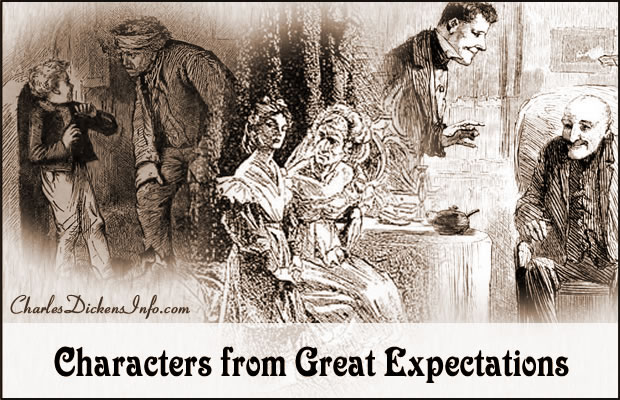
Allegedly: a moving coming‑of‑age story about class, conscience, and learning to value real affection over status.
My version: endless chapters of watching a damp dishrag named Pip moon over a weaponized ice princess while neglecting the only decent people in his life. At no point did I care whether he found redemption or fell down an open well, along with the other characters. Wait, that’s not true; if a milk wagon had run down a couple of them, it might have shortened the book. And generally speaking, I like Dickens.
Jane Eyre – Charlotte Brontë
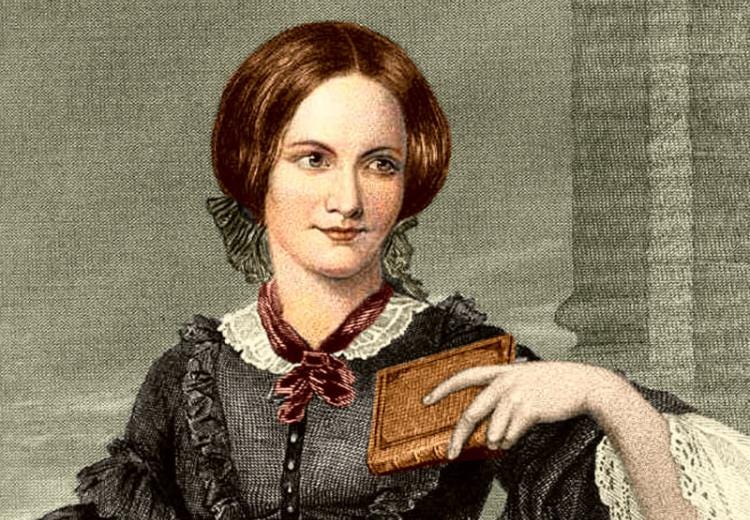
Allegedly: a revolutionary feminist bildungsroman about a plain woman insisting on her worth and moral integrity.
My version: 400 pages of morose people having feelings in dimly lit rooms while I silently repeated, “Who gives a rat’s ass if any of you live or die?” I was supposed to swoon over Mr. ‘By the way, I have a wife in the attic’ Rochester; I mostly wanted Jane to move, change her name, and never speak to anyone in this book again.
The Great Gatsby – F. Scott Fitzgerald
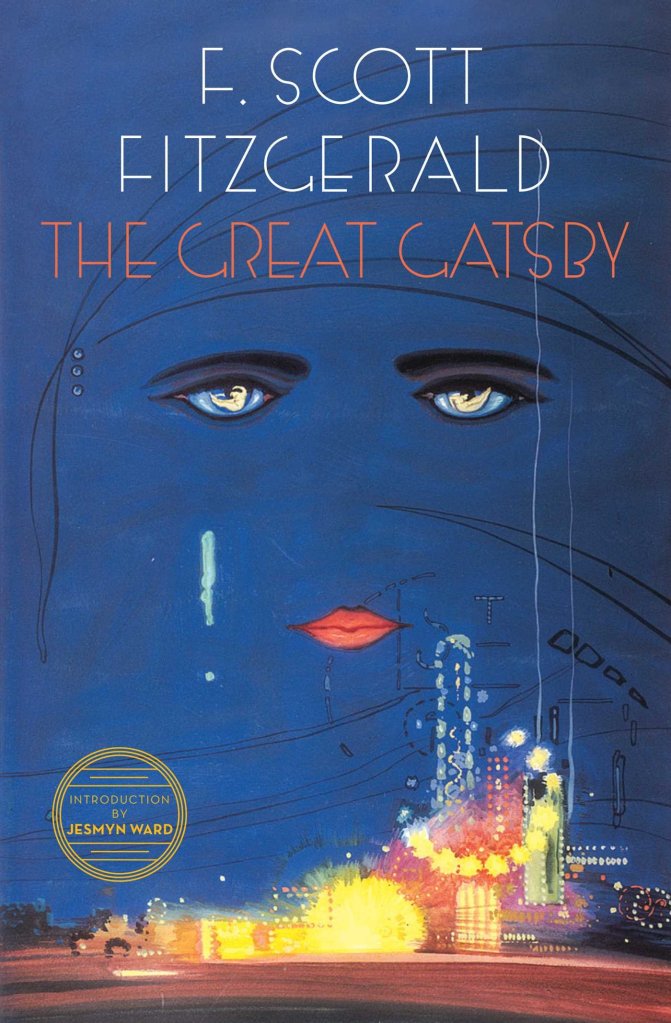
Allegedly, this is the Great American Novel: a glittering autopsy of the Jazz Age, a poetic meditation on class, desire, and the rot under the champagne bubbles. High school English treats it like scripture.
My actual experience was closer to three parties, a lot of staring across lawns, and a man who cannot stop being weird about a green light. I was told to care deeply about the fate of a bootlegger who throws bad parties, a racist polo player, and a woman whose main personality trait is “refuses to signal properly at emotional intersections.” By the time a car hit somebody, it mostly felt like the plot finally accepted that none of these people should be driving their own lives.
Of course, not every book I was assigned was bad, and some were great, although, in some cases, it took reading them as an adult. That is why I have come up with a little metric I call:
The Philistine Index
The Philistine Index is a completely unscientific scale of how much I blame myself vs the book.
- Level 1: “I was the philistine; the book is great.”
- Example: Heart of Darkness
This was rough going in high school, but I had a sense that there was something compelling about it. I read it on my own, and now it is right up there with the Iliad, Lord Jim, and Moby Dick in my Classics Greatest Hits hot list. It may just have been that they introduced it before I was ready.
- Level 3: “I see why it matters, but I still hate reading it.”
- Example: The Catcher in the Rye – J.D. Salinger
I have tried again. I see something in it, but not enough that I don’t stop and pick up a graphic novel or play a round of Fishing Planet on my PC.
- Level 5: “No, really, this is just bad.”
- Example: Wuthering Heights-Emily Brontë
The way fans describe it for syllabi is a first‑person bildungsroman about a woman insisting on her moral autonomy and emotional integrity in the face of class, gender, and religious constraints. I understand all of that in theory, and I still spent most of the book wanting everyone to move to different houses and stop talking to each other.
You, gentle reader, can freely use the index without attribution.
The shame of it is that there are a million books that a 15-year-old could read and enjoy and maybe extract some life lessons. Choosing one of these might even liven up class discussions. I thought about the 1989 graphic novel by Frank Miller, “Batman: The Dark Knight Returns.”
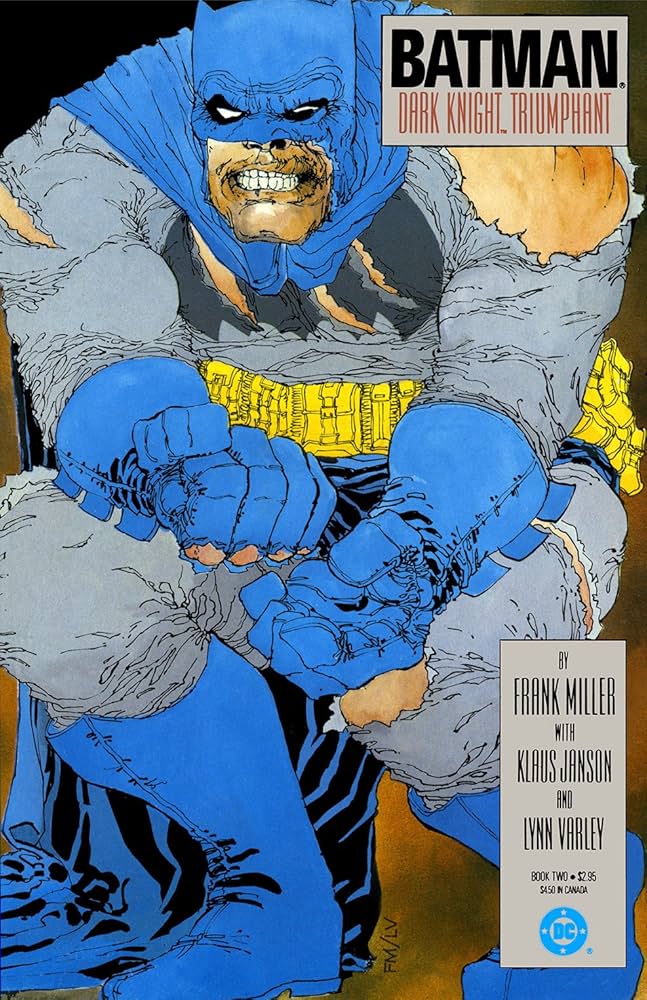
If you haven’t read it, you should.
As the book opens, Bruce Wayne is 55, long retired, and slowly self‑destructing while Gotham falls apart around him. He finally snaps, puts the cowl back on, and what follows is less a heroic comeback than a late‑life relapse: he takes on the Mutant gang, drags a teenage Robin (Carrie Kelley) into the mess, and provokes old enemies like Two‑Face and the Joker into one last, bloody round.
The US government eventually sends Superman, now a patriotic blunt instrument, to shut him down, and we get that alleyway showdown: armored Bruce vs. kryptonite‑weakened Clark. Bruce fakes his death and disappears underground to train a small army of ex‑delinquents. It’s a story about aging, obsession, power, and the thin line between guardian and authoritarian—told with capes, tanks, and television talking heads instead of drawing-room speeches. There is a line, spoken by Wayne while throttling Superman in a rain-soaked back alley, that still gives me the shivers:
“You’re beginning to get the idea, Clark. We could have changed the world…now…look at us…I’ve become a political liability…and…you…you’re a joke. I want you to remember, Clark…in all the years to come…in your most private moments…I want you to remember…my hand…at your throat… I want…you to remember…the one man who beat you.”
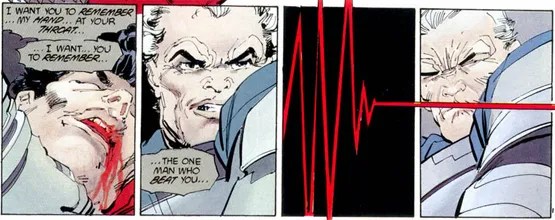
Pretty good, either as a comic book or as literature. It stacks up well against a few of the supposedly “real” lines we all learned to underline in school:
– “Reader, I married him.” (Jane Eyre)
– “So we beat on, boats against the current, borne back ceaselessly into the past.” (The Great Gatsby)
– “I loved Joe perhaps for no better reason in those early days than because the dear fellow let me love him.” (Great Expectations)
All four lines are doing the same sort of work: staking a claim about who owns the story, what a life adds up to, and how we want to be remembered. Two have corsets, one has a green light on a dock, and one has a man in powered armor with his hand on a god’s throat. Only one of them, somehow, doesn’t “count” as serious. But I recall a conversation with my friend Tim when the Dark Knight Returns came out.
Me: I said something along the lines of, “It’s incredibly good. Granted, it’s not War and Peace…”
Tim: “Yeah, but I didn’t finish War and Peace; I finished this.”
At this point, I’m not especially interested in defending my taste, or attacking yours, or arguing about which titles belong in the Official Canon. I’m much more interested in the gap between the books we were told to love and the ones that actually sank their hooks into us—whether they came wrapped in a Penguin Classics spine or in newsprint and staples. Some “great” books were stinkers for me. Some I grudgingly see the point of but will never read again. And a few, like a certain 1980s Batman comic, have lines that still make the hair on the back of my neck stand up, no matter how many Victorian governesses I was assigned.
So I’m curious about yours. This is now officially an audience participation blog post.
What were your school stinkers—the books everybody swore were important that you hated, or you simply could not bring yourself to care about? And on the flip side, were there any assigned books that actually stayed with you in a good way, or any “unserious” books (comics, genre novels, paperbacks you hid inside your chemistry text) that turned out to matter more than the canon? If you’re willing, drop a title or two in the comments along with three things:
– What you were told it was about or why it was important.
– What it actually felt like to read it.
– Whether it ended up on your personal “ash heap” or in your private canon.
I may do a follow-up post collecting the best answers (with identifying details removed or used with permission), because I suspect my Great Expectations is someone else’s life-changing book—and someone else’s sacred cow is, for me, just another paperback I didn’t finish. Stay tuned.
Discover more from Samurai Shrink (formally Wandering Shrink)
Subscribe to get the latest posts sent to your email.

